restaurant Kitchen Safe

Gel Bait Treatment

Precision cockroach control for sensitive environments. The professional choice for kitchens, restaurants, and food facilities where safety and effectiveness are paramount.

check_circle HACCP compliant
check_circle No spray residue
check_circle Colony elimination
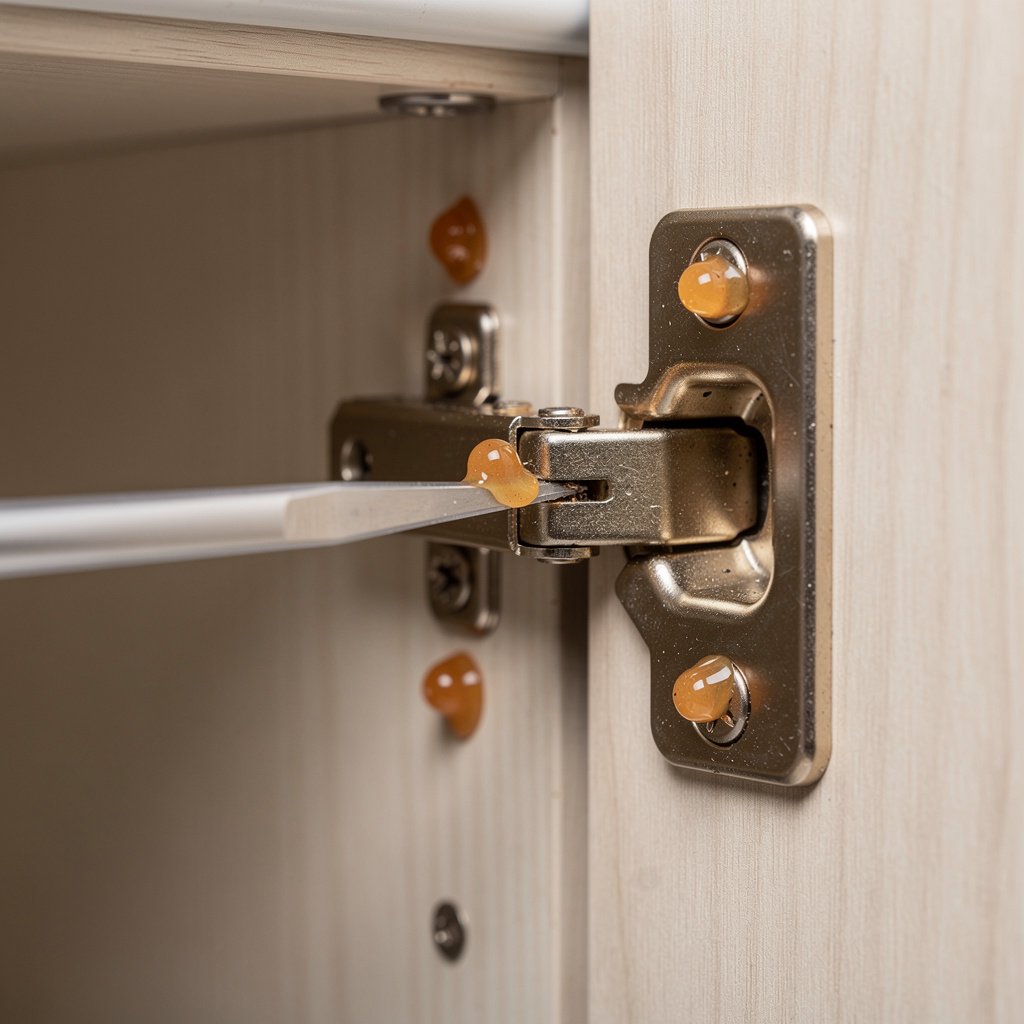
Professional gel bait application for cockroach control
timer

7-14

Days to elimination

99%

Cockroach reduction

30-90

Days effectiveness

Zero

Spray odor

HACCP

Compliant method

How Gel Bait Treatment Works

Gel bait exploits cockroach behavior to achieve complete colony elimination through the "domino effect."

restaurant

1. Attraction & Consumption

Premium gel formulations contain attractants that cockroaches find irresistible—better than natural food sources. Tiny bait dots are placed in strategic locations near harborage areas.

share

2. The Domino Effect

Cockroaches return to harborage and spread the insecticide through feces and dead bodies. Other roaches eat these, receiving a lethal dose even without contacting bait directly.

domain_disabled

3. Colony Elimination

The cascading effect reaches 40+ roaches for every one that ate bait. Within 1-2 weeks, the entire population collapses including nymphs and hidden adults.

Ideal Applications

Gel bait is the treatment of choice wherever spray applications are impractical or undesirable.

restaurant

Commercial Kitchens

Restaurants, hotels, and catering facilities requiring HACCP-compliant pest control without contamination risk.

factory

Food Processing

Food factories and production facilities where spray drift could contaminate products or equipment.

local_hospital

Healthcare Facilities

Hospitals, clinics, and pharmacies where airborne chemicals and odors are unacceptable.

home

Residential Kitchens

Homes with children, pets, or occupants with respiratory sensitivities who need effective, safe control.

Target Pests

pest_control German Cockroaches pest_control American Cockroaches
pest_control Brown-Banded Cockroaches
pest_control Oriental Cockroaches

info Why Gel Bait for Cockroaches?

Cockroaches are thigmotactic—they prefer to touch surfaces on both sides of their body. This behavior drives them into cracks and crevices where gel bait is precisely placed.

Unlike sprays that repel roaches deeper into hiding, bait attracts them to feed, ensuring maximum exposure and transfer throughout the population.

Advantages of Gel Bait

Why professionals choose gel bait as the primary cockroach control method.

sanitizer

No Contamination Risk

Applied in cracks and crevices, not on food surfaces, equipment, or open areas. Zero risk of chemical contamination.

air

No Airborne Chemicals

No spraying means no aerosol droplets, no odor, and no inhalation risk for occupants or food handlers.

target

Precision Targeting

Bait placed exactly where cockroaches hide and travel. No wasted chemical on non-target surfaces.

psychology

No Repellency

Unlike some sprays, bait doesn't drive roaches deeper into hiding. It attracts them to feed and spread the active ingredient.

schedule

Extended Activity

Remains effective for 30-90 days, providing ongoing protection and eliminating newly hatched nymphs.

verified_user

HACCP Compliant

Meets food safety standards. Documentation and application protocols satisfy audit requirements.

Our Gel Bait Application Process

Meticulous application ensuring maximum effectiveness in sensitive environments.

1

Inspection

Identify harborage areas, activity patterns, and species. Map optimal bait placement points.

2

Preparation

Clean and dry surfaces. Remove competing food sources. Protect sensitive equipment if needed.

3

Application

Precise pea-sized dots placed in cracks, crevices, and voids using professional bait guns.

4

Monitoring

Follow-up inspections track bait consumption and population reduction. Replenish as needed.

Treatment Method Comparison

When gel bait is the superior choice for cockroach control.

Factor Gel Bait Residual Spray Dusting
Kitchen Safety Excellent Moderate Moderate
Colony Elimination Excellent Limited Good
Speed of Results 3-7 days Immediate 1-3 days
Odor None Present Minimal
Best For Kitchens, food areas Perimeter, drains Wall voids

Frequently Asked Questions

Common questions about gel bait treatment.

How does gel bait work for cockroaches?

expand_more
Gel bait contains a highly attractive food matrix combined with a slow-acting insecticide. Cockroaches eat the gel and return to their harborage. Through feces and carcasses, the insecticide spreads to other cockroaches via coprophagy (eating feces) and necrophagy (eating dead roaches). This 'domino effect' eliminates even roaches that never directly ate the bait, achieving colony elimination within 1-2 weeks.

Is gel bait safe for kitchens and food areas?

expand_more
Yes, gel bait is the preferred treatment for kitchens and food handling areas. It's applied in tiny dots (pea-sized) in cracks, crevices, and voids—not on food surfaces or open areas. The bait remains contained and does not become airborne. We use HACCP-compliant application techniques, placing bait in areas inaccessible to food but accessible to cockroaches.

How long does gel bait treatment last?

expand_more
Gel bait remains effective for 30-90 days depending on environmental conditions. In hot, humid kitchen environments, bait may dry out faster. We recommend follow-up applications every 4-6 weeks for ongoing protection in high-risk areas. Fresh bait is more attractive to cockroaches, so regular replenishment ensures continued effectiveness.

What types of cockroaches does gel bait control?

expand_more
Gel bait is highly effective against German cockroaches (the most common kitchen pest), American cockroaches, and brown-banded cockroaches. Different bait formulations may be used depending on the species. German cockroaches are particularly susceptible due to their gregarious behavior and rapid bait sharing within harborages.

Why is my gel bait not working?

expand_more
Common reasons for gel bait failure include: poor placement (not near harborage areas), bait aversion (some populations develop taste avoidance), bait drying out, competing food sources (poor sanitation), or resistance to the active ingredient. Professional assessment identifies the issue—sometimes switching bait formulations or combining with other methods is necessary.