German Cockroach in Malaysia — The F&B Industry's Worst Enemy
The most common and problematic cockroach species in Malaysian food establishments. German cockroaches contaminate food, spread disease, trigger asthma, and can shut down businesses overnight if discovered during health inspections.
Their rapid reproduction and resistance to common pesticides make professional intervention essential for complete elimination.
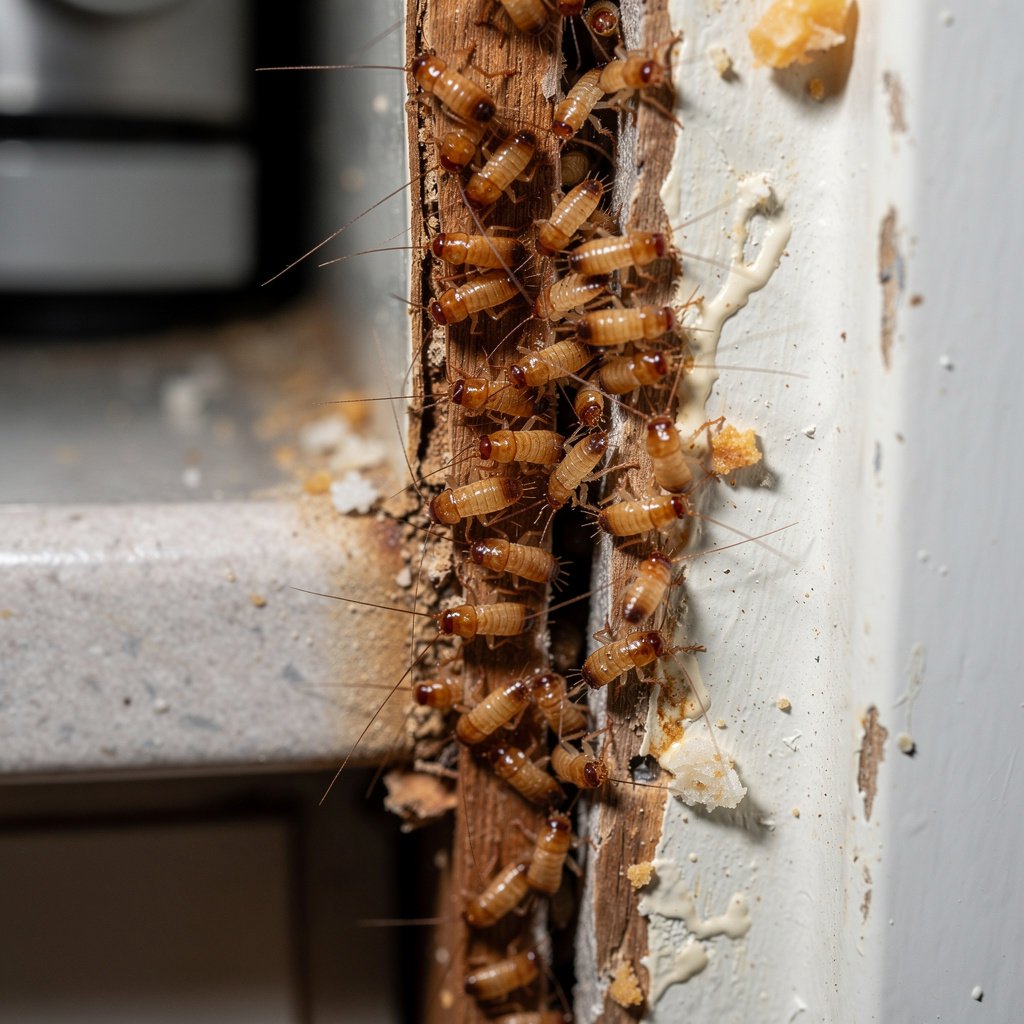
Blattella germanica
Scientific name
Identification
What Is the German Cockroach?
The German cockroach (Blattella germanica) is the most widespread cockroach species in Malaysian homes and commercial kitchens. Unlike the larger American cockroach often found outdoors, German cockroaches live exclusively indoors, making them a persistent indoor pest.
They are identified by their small size (13–16 mm), light brown to tan colour, and two distinctive dark parallel stripes running from behind the head to the base of the wings. Though they have wings, they rarely fly, preferring to scuttle quickly across surfaces.
German cockroaches are nocturnal, hiding in cracks and crevices during the day and emerging at night to feed. If you see them during daylight hours, it usually indicates a severe infestation.
Size
13–16 mm, smaller than American cockroaches
Colour
Light brown to tan with two dark stripes
Behaviour
Nocturnal, fast-moving, rarely flies
Habitat
Indoors only — kitchens, bathrooms, food areas
info Quick Facts
- Scientific name
- Blattella germanica
- Family
- Ectobiidae
- Size
- 13–16 mm (adults)
- Lifespan
- 100–200 days
- Reproduction
- Up to 400 offspring per female
- Diet
- Omnivorous — food, grease, glue, soap
- Activity
- Nocturnal, year-round in Malaysia
warning Rapid Reproduction Warning
A single female German cockroach can produce 4–8 egg cases in her lifetime, each containing 30–40 eggs. Without intervention, a small infestation can become thousands within months.
Habitat & Problems
Where German Cockroaches Cause Problems
German cockroaches thrive anywhere with food, water, and warmth — making Malaysian kitchens, restaurants, and food factories ideal habitats.
For Businesses & Facilities
-
restaurant
Restaurants & Cafes
The #1 pest in Malaysian F&B. Contaminates food, fails MOH inspections, damages reputation. One sighting can destroy customer trust.
-
factory
Food Factories
Contaminates production lines and packaging. Fails HACCP, ISO 22000, and MOH audits. Can cause product recalls and business closure.
-
hotel
Hotels & Hospitality
Kitchen areas, room service trays, and minibars. Guest complaints and online reviews can severely damage reputation.
-
store
Retail & Convenience Stores
Food sections, storage areas, and behind equipment. Contaminates packaged goods and creates customer complaints.
For Homes & Condos
-
kitchen
Kitchens
Behind refrigerators, stoves, and sinks. Inside cabinets, pantries, and appliances. Contaminates food preparation surfaces.
-
bathtub
Bathrooms
Behind toilets, under sinks, in cabinets. Attracted to water and warmth from pipes. Spreads bacteria to personal items.
-
apartment
Condominiums & Apartments
Can spread between units through shared plumbing and electrical conduits. High-density living increases infestation risk.
-
devices
Electrical Appliances
Inside microwaves, toasters, coffee machines, and behind refrigerators. Warmth attracts them; they damage wiring.
Risks
Health & Business Risks
German cockroaches are more than a nuisance — they pose serious health risks and can devastate food businesses.
Disease Transmission
Carries Salmonella, E. coli, Staphylococcus, and other pathogens. Contaminates food and surfaces with droppings, vomit, and shed skins.
Allergies & Asthma
Cockroach allergens are a leading cause of asthma in children. Shed skins and droppings become airborne, triggering respiratory reactions.
Regulatory Violations
Fails MOH food premises inspections, HACCP audits, and ISO 22000 certification. Can result in closure orders, fines, and lost business.
Reputation Damage
One cockroach sighting by a customer can lead to negative online reviews, social media posts, and lasting damage to your business reputation.
Food Contamination
Contaminates stored food, ingredients, and packaging. Affected products must be discarded, resulting in financial loss and potential supply chain issues.
Psychological Impact
Knowledge of infestation causes stress, anxiety, and embarrassment. Staff morale suffers, and homeowners feel uncomfortable in their own kitchens.
Detection
Signs of German Cockroach Infestation
German cockroaches are secretive, but they leave telltale signs. Early detection prevents severe infestations.
Live Cockroaches
Seeing cockroaches during the day indicates a severe infestation. They normally hide during daylight and emerge at night to feed.
Droppings
Small, dark specks resembling ground pepper or coffee grounds. Found in cabinets, drawers, and along edges where cockroaches travel.
Egg Cases (Oothecae)
Light brown, purse-shaped capsules about 8 mm long. Each contains 30–40 eggs. Found in hidden areas near food sources.
Shed Skins
Light brown, translucent skins shed as cockroaches grow. Found in harborage areas and indicate an established population.
Musty Odour
A distinctive, musty smell in areas with heavy infestation. Caused by cockroach pheromones and accumulates with population size.
Smear Marks
Dark, irregular marks in corners, along walls, and near cracks. Caused by cockroach bodies rubbing against surfaces as they travel.
Night Inspection Tip
Turn off lights in your kitchen for 2–3 hours, then suddenly turn them on. German cockroaches will scatter, revealing the extent and location of the infestation. This helps identify harborage areas for targeted treatment.
DIY Limitations
Why DIY Cockroach Control Often Fails
Store-bought sprays and bombs may kill visible cockroaches but rarely eliminate the infestation. German cockroaches have developed resistance to many common pesticides, and their hiding spots are difficult to reach with consumer products.
Sprays Scatter, Not Eliminate
Aerosol sprays kill on contact but drive cockroaches deeper into walls and hidden areas. The population rebounds within weeks.
Pesticide Resistance
German cockroaches have developed resistance to many over-the-counter pesticides. Professional-grade products with different active ingredients are required.
Egg Cases Survive
Oothecae are resistant to sprays. Even if adults are killed, eggs hatch 2–4 weeks later, restarting the infestation cycle.
Missed Harborage Areas
German cockroaches hide in tiny cracks as thin as a coin. Without professional knowledge, key harborage sites are missed.
check_circle Professional Advantages
- done Gel baits that cockroaches carry back to the nest, eliminating the population
- done Insect growth regulators (IGRs) to prevent eggs from hatching
- done Professional-grade products effective against resistant populations
- done Targeted placement in cracks, crevices, and harborage areas
- done Follow-up treatments to catch newly hatched cockroaches
- done Documentation for food safety audits and compliance
Smart Pest Control
How We Target German Cockroaches
Our Smart Pest Control approach uses targeted baits, growth regulators, and residual treatments to eliminate infestations at the source.
Inspection & Assessment
Our technicians identify the extent of infestation, locate harborage areas, and assess factors contributing to the problem — food sources, water access, and entry points.
Targeted Treatment
We apply gel baits in strategic locations, residual sprays to cracks and crevices, and insect growth regulators to prevent reproduction. Treatments target the entire population, not just visible cockroaches.
Monitoring & Prevention
Follow-up visits ensure complete elimination. We provide recommendations for preventing re-infestation and, for commercial clients, documentation for audit compliance.
Treatment Methods We Use
Gel Bait Treatment
Highly attractive baits placed in harborage areas. Cockroaches feed and carry poison back to others, creating a domino effect.
Residual Spray
Professional-grade insecticide applied to cracks, crevices, and surfaces where cockroaches travel. Provides ongoing protection.
Insect Growth Regulators
Prevents cockroaches from reaching maturity and reproducing. Essential for breaking the infestation cycle.
FAQ
Frequently Asked Questions
How can I identify a German cockroach? expand_more
Why are German cockroaches so difficult to eliminate? expand_more
Are German cockroaches dangerous to health? expand_more
Where do German cockroaches typically hide? expand_more
What is the best treatment for German cockroaches? expand_more
Suspect a Cockroach Problem?
Our certified technicians can identify cockroach species, assess infestation extent, and eliminate the problem with targeted Smart Pest Control solutions.