MOH Food Premises Pest Control Requirements
The Ministry of Health Malaysia (MOH) enforces strict pest control standards for all food premises under the Food Act 1983 and Food Hygiene Regulations 2009. Understanding these requirements helps F&B businesses maintain compliance, avoid penalties, and protect public health.
This guide explains MOH inspection criteria, common violations, and how to build a pest control program that satisfies regulatory requirements.
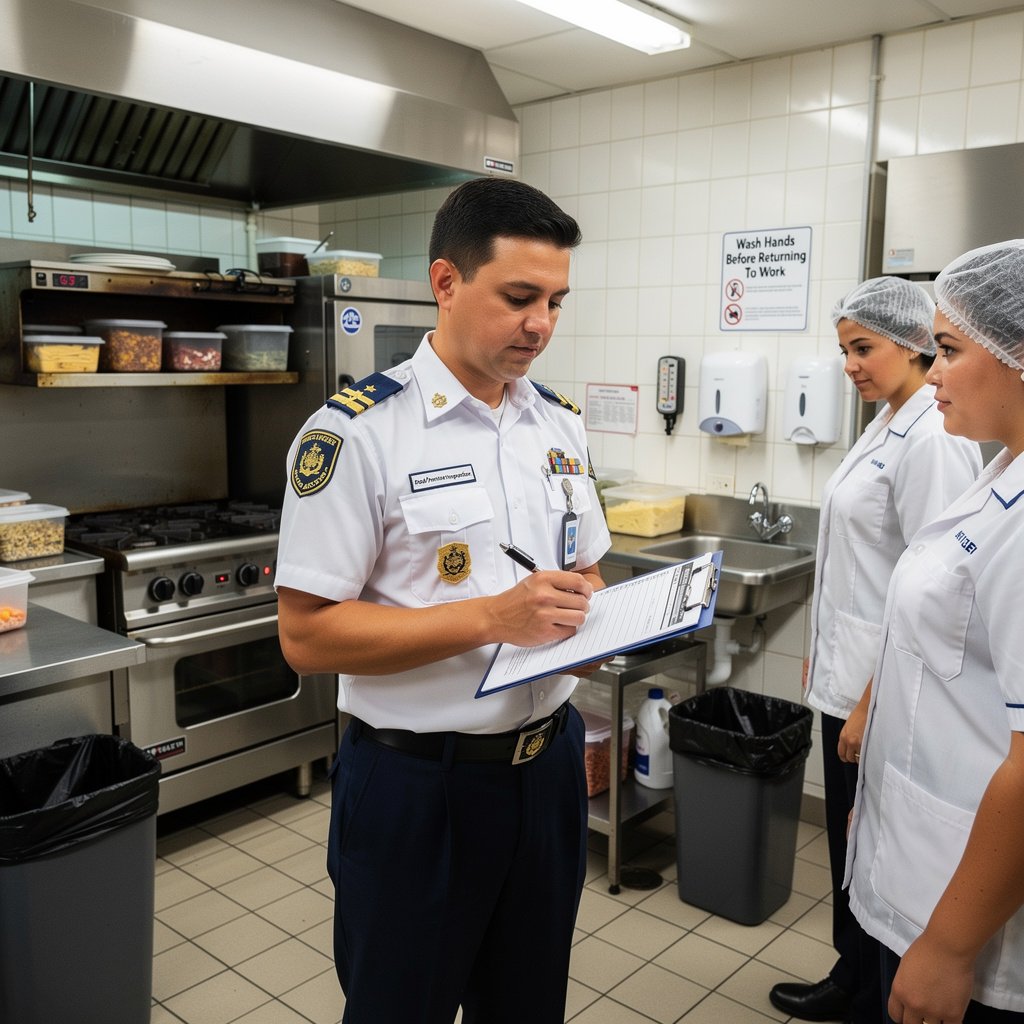
KKM
Compliance
Legal Framework
Food Act 1983 & Regulations
The Food Act 1983 (Act 281) is Malaysia's primary legislation governing food safety. It establishes the legal basis for MOH to inspect food premises, issue licences, and enforce standards. The Food Hygiene Regulations 2009 provide specific requirements for pest control in food establishments.
gavel Section 13: Food Premises
Prohibits sale of food from premises that are unclean, infested with pests, or otherwise unfit for food preparation.
rule Regulation 27: Pest Control
Requires effective measures to prevent entry and harbourage of pests. Premises must be free from rodents, insects, and other contamination sources.
license Regulation 5: Licences
MOH can refuse, suspend, or revoke food premises licences for non-compliance with hygiene requirements including pest control.
warning Penalties for Non-Compliance
Demerit Points
Accumulated points for violations can lead to licence suspension or revocation. Pest-related violations carry significant point values.
Fines
On-the-spot fines or court-imposed penalties for violations. Repeat offenders face escalating fine amounts.
Closure Orders
Immediate closure of premises until remedial action is completed and verified by MOH officers.
Criminal Prosecution
Serious or repeated violations can result in criminal charges, with potential imprisonment for responsible persons.
What Inspectors Look For
MOH Inspection Criteria
MOH health inspectors systematically evaluate food premises for pest-related risks. Understanding these criteria helps you prepare and maintain compliance.
Evidence of Pests
Live or dead pests, droppings, egg casings, shed skins, nests, gnaw marks on packaging or structures, grease marks along walls.
Entry Points
Gaps under doors, broken window screens, unsealed utility penetrations, damaged air curtains, open windows without screens.
Food Storage
Food stored off floor and away from walls, sealed containers, FIFO rotation, damaged packaging, spillage accumulation.
Waste Management
Covered bins, regular removal, clean bin areas, no overflow, proper segregation, secure external storage areas.
Sanitation
Clean floors and drains (no organic buildup), grease-free surfaces, clean equipment, proper cleaning schedules and records.
Documentation
Current pest control contract, service reports, operator licence, monitoring records, corrective action logs, staff training records.
Program Requirements
MOH Pest Control Standards
MOH requires food premises to implement comprehensive pest control programs that go beyond periodic spraying. Your program must demonstrate preventive measures, continuous monitoring, and documented effectiveness.
Licensed Operator
Only PAL/APAL-licensed operators permitted. Maintain current licence copy on premises.
Regular Service
Minimum monthly treatments with documented service reports. Higher risk premises require more frequent service.
Integrated Approach
Exclusion, sanitation, monitoring, and targeted treatment. Chemical-only programs are insufficient.
Safe Chemical Use
Only approved chemicals for food premises. Proper application timing, restricted areas, documented re-entry intervals.
Common Violations & How to Avoid Them
No Pest Control Contract
Operating without documented pest control service. Maintain signed contract with scope, frequency, and responsibilities clearly defined.
Expired or Missing Reports
Gaps in service documentation. File reports immediately after each service. Keep minimum 6 months on-site, 2 years archived.
Visible Pest Evidence
Any pest activity during inspection is a critical violation. Implement intensive monitoring and rapid response protocols.
Poor Exclusion
Gaps allowing pest entry. Regular building inspections, prompt repairs, door sweep maintenance, screen integrity checks.
Inadequate Monitoring
Insufficient devices or inspection frequency. Device maps, regular checks, activity logging, trend analysis required.
Self-Assessment
MOH Compliance Checklist
Use this checklist to assess your readiness for MOH inspection. Address any unchecked items before your next inspection.
business Premises & Operations
folder Documentation
FAQ
MOH Pest Control Questions
What does MOH look for during food premises inspections? expand_more
How often must food premises have pest control? expand_more
What happens if pests are found during MOH inspection? expand_more
Do I need a licensed pest control operator for MOH compliance? expand_more
What pest control documents must I show MOH inspectors? expand_more
MOH-Compliant Pest Control for F&B
Uni Smart Pest Control helps restaurants, cafes, and food factories maintain MOH compliance with complete documentation, licensed operators, and food-safe treatment protocols.