Pest Control Safety for Pregnancy & Infants
Expecting a baby or have a newborn at home? Learn how to manage pest control safely while protecting your family's most vulnerable members.
This guide covers everything you need to know about timing, precautions, and safe treatment options for pregnant women, babies, and young children in Malaysia.
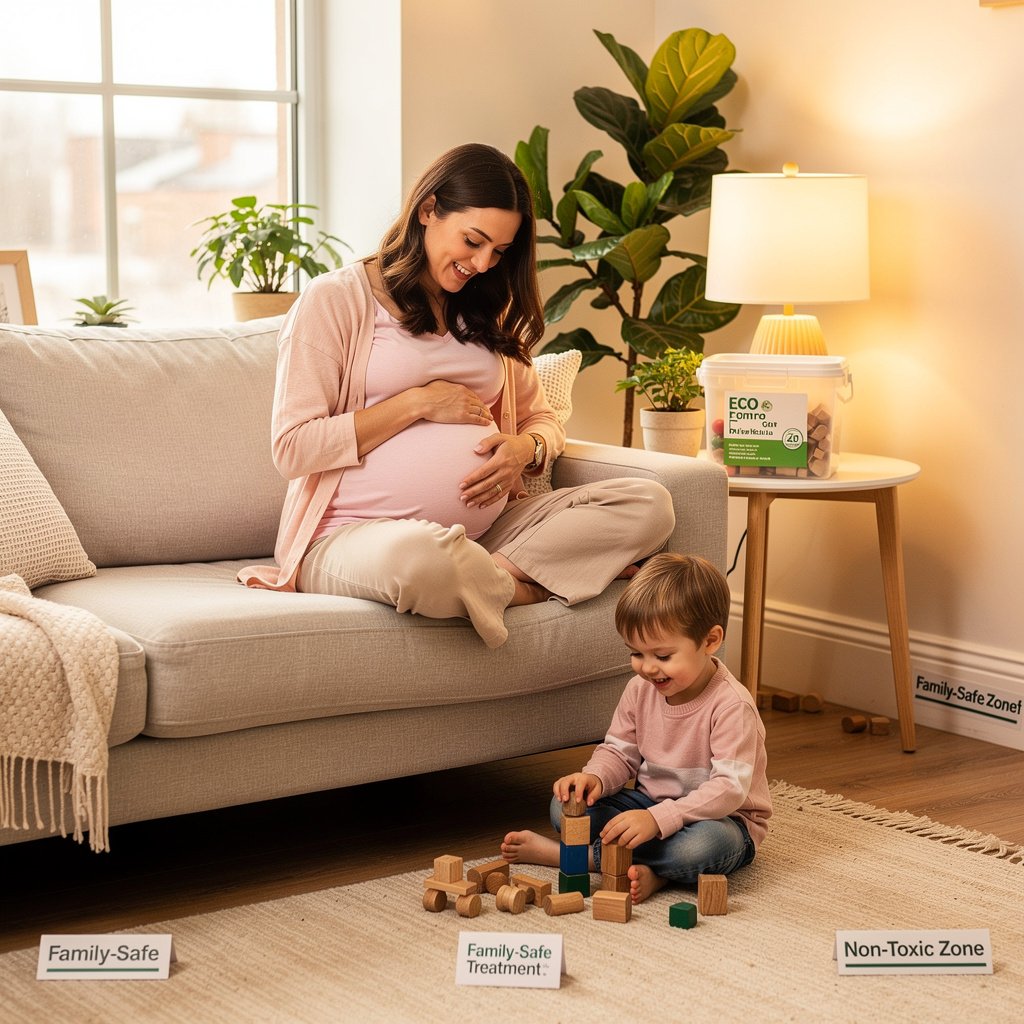
Safe
When Done Right
Essential Information
Key Safety Guidelines
During Pregnancy
- • Stay out 4–6 hours minimum
- • First trimester: extra caution
- • Avoid presence during treatment
- • Ensure thorough ventilation
- • Consult doctor if concerned
Newborns & Infants
- • Keep away 4–6 hours after
- • Extra ventilation time needed
- • Wash baby items before use
- • Monitor for any reactions
- • Consider delaying if possible
Young Children
- • 2–4 hours minimum wait time
- • Ensure floors completely dry
- • Wash toys and play surfaces
- • Prevent hand-to-mouth contact
- • Use low-toxicity options
Expectant Mothers
Pest Control During Pregnancy
Many expectant mothers worry about pest control safety. The good news is that with proper precautions, professional pest control can be safe during pregnancy.
calendar_month First Trimester (Weeks 1–12)
Most critical period for fetal development. If possible, delay non-urgent pest control until second trimester. If treatment is necessary, ensure you're not present and stay out at least 24 hours with thorough ventilation.
calendar_month Second Trimester (Weeks 13–26)
Generally safer period. Standard precautions apply—stay out 4–6 hours, ensure ventilation. Most women feel more comfortable scheduling treatment during this period.
calendar_month Third Trimester (Weeks 27–40)
Continue with 4–6 hour minimum wait time. Be aware that strong odours may trigger nausea. Consider having a partner or family member handle preparation and re-entry.
checklist Pregnancy Safety Checklist
Important: Always inform your obstetrician about planned pest control treatment, especially if you have pregnancy complications or are in a high-risk category.
cleaning_services Post-Treatment for Babies
Extended Ventilation
Keep windows open and fans running for at least 2 hours before bringing baby home
Wash Baby Items
Wash bedding, soft toys, and play mats that were in treated areas
Clean Surfaces
Wipe down all surfaces baby touches with soap and water
Check Floors
Ensure floors are completely dry—crawling babies touch everything
Monitor Baby
Watch for any unusual symptoms and contact doctor if concerned
Newborns & Babies
Protecting Your Infant
Newborns and infants are more sensitive to environmental chemicals due to their developing bodies and higher respiratory rates. Extra precautions help ensure their safety.
baby_changing_station Newborns (0–3 months)
Highest sensitivity period. Consider staying elsewhere overnight if possible. If not, wait minimum 6–8 hours with thorough ventilation. Wash all baby items before use.
crib Infants (3–12 months)
Still sensitive but more resilient. 4–6 hour wait time with good ventilation. Ensure floors are dry—crawling babies have extensive floor contact. Wash toys and play surfaces.
child_care Toddlers (1–3 years)
Standard precautions usually sufficient. 2–4 hour wait time. Prevent hand-to-mouth contact with floors on return day. Wash hands frequently. Normal child-safe practices apply.
Low-Risk Options
Safer Treatment Alternatives
When you want to minimise chemical exposure, consider these approaches.
Integrated Pest Management
Combines multiple methods—physical, biological, and minimal chemical—to reduce overall pesticide use. Ideal for families prioritising safety.
Physical Methods
Traps, barriers, and exclusion techniques that don't use chemicals. Effective for rodents and some insects when properly implemented.
Gel Baits
Applied in cracks and crevices away from children and pets. Low exposure risk with effective cockroach and ant control.
Boric Acid
Low-toxicity mineral that disrupts insect digestion. Safe when dry and applied in inaccessible areas. Effective for roaches and ants.
Diatomaceous Earth
Natural powder that dehydrates insects. Non-toxic to humans and pets. Effective for crawling insects in dry areas.
Prevention Focus
Sealing entry points, proper food storage, and moisture control reduce pest pressure without any chemical treatments.
FAQ
Pregnancy & Infant Safety Questions
Is pest control safe during pregnancy? expand_more
How long should a pregnant woman stay out after pest control? expand_more
Is pest control safe for newborn babies? expand_more
What are the safest pest control options for families with young children? expand_more
Can pest control cause miscarriage or birth defects? expand_more
Concerned About Safety? Let's Talk.
We understand your concerns as an expectant mother or new parent. Our team can discuss pregnancy-safe and baby-safe treatment options tailored to your situation.