The Pest Inspection Process in Malaysia
A professional pest inspection is the foundation of effective pest management. Understanding what happens during an inspection helps you prepare properly and get the most value from the service.
From initial consultation to detailed reporting, learn exactly what to expect when a licensed technician inspects your property.
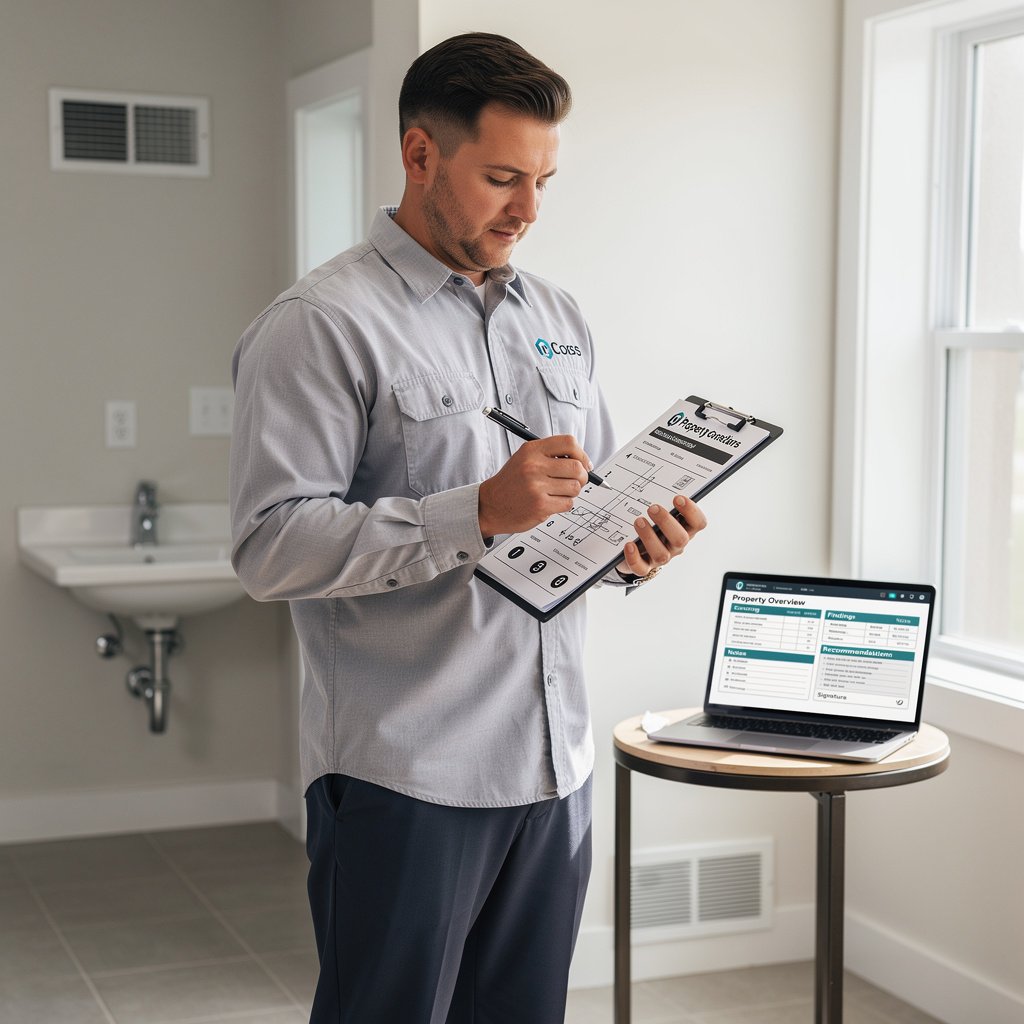
Licensed
Inspectors
Overview
What Is a Pest Inspection?
A systematic examination of your property to identify pest activity, conditions that attract pests, and potential entry points.
Visual Assessment
Thorough visual examination of interior and exterior areas using trained eyes and specialized equipment to detect signs of pest activity.
Evidence Detection
Identification of pest droppings, damage patterns, nesting materials, shed skins, egg cases, and other telltale signs of infestation.
Detailed Reporting
Comprehensive documentation of findings with photos, recommendations for treatment, and preventive measures to avoid future problems.
Types of Pest Inspections
General Pest Inspection
Comprehensive check for common pests: cockroaches, ants, rodents, and other household pests.
Termite Inspection
Specialized inspection focusing on termite activity, mud tubes, damaged timber, and moisture issues.
Pre-Purchase Inspection
Detailed report for property buyers to identify pest issues before completing purchase.
Commercial Compliance Inspection
Documentation for HACCP, GMP, and regulatory compliance in food and healthcare facilities.
schedule When to Get an Inspection
- • Before buying or selling property
- • When you see signs of pest activity
- • Annual preventive check-ups
- • After renovations or construction
- • For commercial compliance audits
- • When moving into a new rental
- • After neighboring infestations
The Process
Step-by-Step Inspection Process
What happens from the moment our technician arrives until you receive your report.
Initial Consultation & Assessment
The technician begins by discussing your concerns and gathering information about pest activity you've observed.
What We Ask
- • What pests have you seen?
- • Where have you noticed activity?
- • How long has this been happening?
- • Any previous treatments?
Duration
10–15 minutes for residential properties. Longer for commercial sites with complex operations.
Exterior Inspection
A thorough examination of the property's exterior to identify entry points, harborage areas, and conditions attracting pests.
foundation Building Perimeter
- • Foundation cracks
- • Wall gaps and weep holes
- • Door and window seals
- • Utility entry points
yard Grounds & Landscape
- • Vegetation touching building
- • Wood piles and debris
- • Standing water sources
- • Drainage issues
roofing Roof & Upper Areas
- • Roof void access points
- • Gutter conditions
- • Vent screens
- • Chimney gaps
Interior Inspection
Systematic room-by-room examination focusing on kitchens, bathrooms, storage areas, and other pest-prone spaces.
Kitchen
- • Cabinets and pantries
- • Appliance areas
- • Under sinks
- • Food storage
Bathrooms
- • Under sinks
- • Around toilets
- • Moisture sources
- • Ventilation
Living Areas
- • Behind furniture
- • Baseboards
- • Electrical outlets
- • Storage closets
Hidden Spaces
- • Roof voids
- • Subfloors
- • Wall cavities
- • Storage areas
Specialized Detection
Use of advanced tools and technology to detect pests in hidden areas and identify conditions not visible to the naked eye.
Thermal Imaging
Detects heat signatures from pest nests and moisture issues behind walls.
Moisture Meters
Identifies damp areas that attract termites and other moisture-loving pests.
Borescopes
Camera probes for inspecting inside wall cavities and tight spaces.
UV Lights
Reveals rodent urine trails and scorpion activity in dark areas.
Listening Devices
Detects termite activity and rodent movement inside walls.
Termite Detection
Specialized tools for locating termite mud tubes and colonies.
Documentation & Reporting
Comprehensive documentation of all findings with photographic evidence, analysis, and tailored recommendations.
What's Documented
- • Photos of pest evidence and damage
- • Location of activity and entry points
- • Severity assessment
- • Risk factors identified
- • Property diagram with hotspots
Recommendations Include
- • Treatment options and methods
- • Estimated costs
- • Timeline for treatment
- • Prevention strategies
- • Follow-up schedule
Review & Next Steps
The technician explains findings, answers your questions, and discusses treatment options tailored to your situation.
Discussion Points
Key Indicators
What Inspectors Look For
Trained technicians know exactly where to look and what signs indicate pest presence.
Live Pests
Actual sighting of insects, rodents, or other pests—alive or dead. Includes different life stages (eggs, larvae, adults).
Droppings & Waste
Feces, urine stains, pellet-like droppings, or smear marks that indicate pest pathways and nesting areas.
Damage Patterns
Gnaw marks on wood, wires, or packaging. Holes in walls or fabrics. Damaged food containers.
Nesting Materials
Shredded paper, fabric, insulation, or plant matter used by rodents and insects to build nests.
Egg Cases & Shed Skins
Cockroach oothecae, insect exoskeletons, and other evidence of breeding and development.
Moisture Sources
Leaks, condensation, poor drainage, and damp areas that attract termites, cockroaches, and other pests.
Entry Points
Gaps around pipes, cracks in foundations, unscreened vents, and other access routes pests use.
Food Sources
Open food storage, crumbs, pet food, garbage conditions, and other attractants.
Rub Marks & Trails
Dark smudge marks along walls from rodent fur, pheromone trails from ants, and termite mud tubes.
Before We Arrive
How to Prepare for Your Inspection
Simple steps to ensure the inspection is thorough and efficient.
check_circle Do These Before Inspection
Ensure Access
Unlock gates, clear access to roof voids, basements, and storage areas
Move Items from Walls
Pull furniture 30cm away from walls in suspected areas
Secure Pets
Keep pets in a safe area away from inspection zones
Make a List
Note areas where you've seen pest activity or damage
Be Present
Someone over 18 should be available during inspection
info Information to Provide
Pest History
Previous infestations, treatments used, and their effectiveness
Recent Changes
Renovations, water leaks, new furniture, or landscaping changes
Property Details
Age of building, construction type, and any known issues
Special Concerns
Allergies, health conditions, pregnancy, infants, or sensitive areas
Pro Tip
Don't clean up evidence before the inspection! Droppings, damage, and trails help our technicians identify the pest species and severity. You can clean after we've documented everything.
What to Expect
Inspection Cost & Duration
Transparent pricing and time estimates for different property types.
schedule How Long Does It Take?
* Times vary based on property condition, accessibility, and inspection scope
payments Inspection Costs in Malaysia
Free Inspection: Many companies (including ours) offer free inspections when you proceed with treatment.
FAQ
Common Inspection Questions
What happens during a pest inspection? expand_more
How long does a pest inspection take? expand_more
How do I prepare for a pest inspection? expand_more
What do pest inspectors look for? expand_more
How much does a pest inspection cost in Malaysia? expand_more
Ready for a Professional Pest Inspection?
Our licensed technicians provide thorough inspections with detailed reports and honest recommendations. Book your inspection today.