water Source Control

Larviciding Malaysia

Target mosquito larvae at the source. Biological and chemical larvicides interrupt the breeding cycle before mosquitoes can fly, bite, and spread disease.

check_circle Dengue prevention
check_circle Smart options
check_circle Long-term control
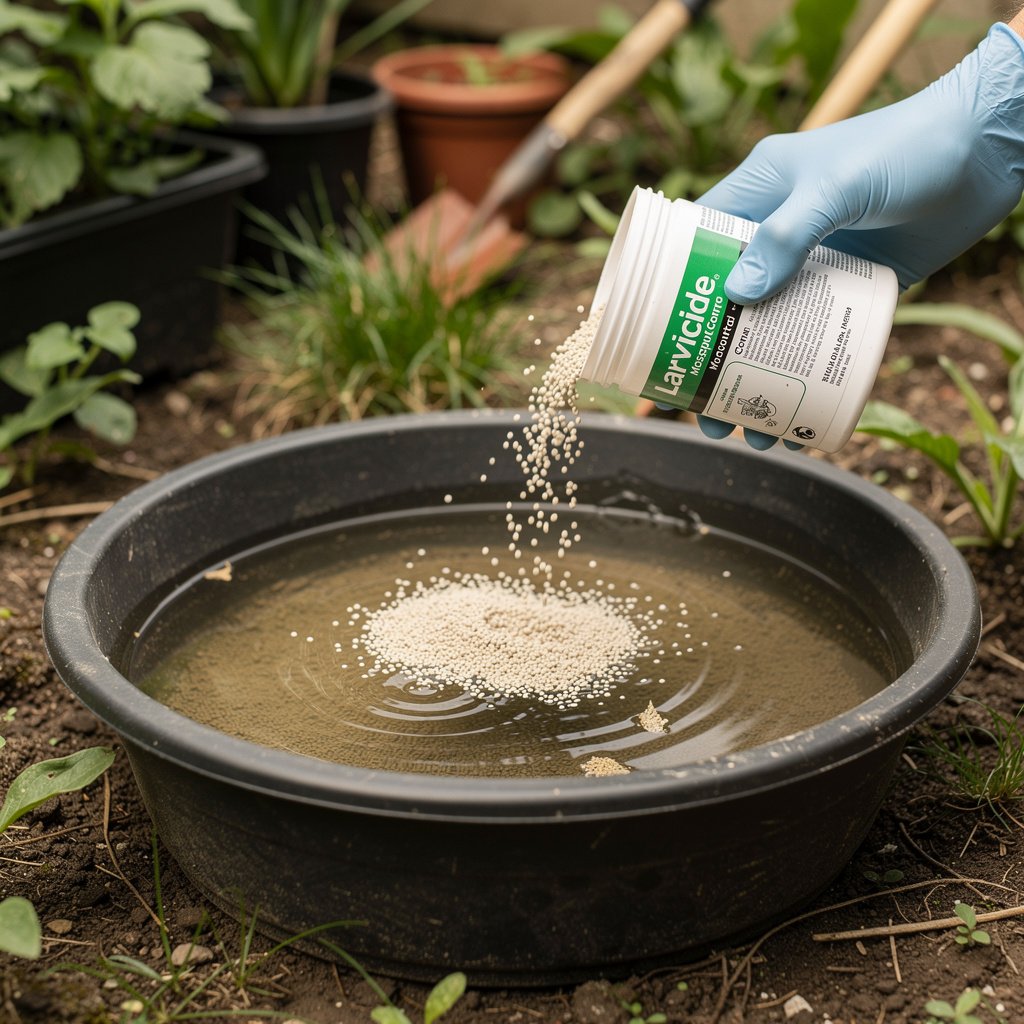
Larviciding treatment for mosquito breeding sites
bug_report

95%

Larval mortality

24-48hr

Larval kill time

7-30

Days protection

Bti

Biological agent

MOH

Recommended

How Larviciding Works

Interrupt the mosquito life cycle at its most vulnerable stage—before they can fly and bite.

search

1. Breeding Site Detection

Thorough inspection identifies all standing water sources—obvious and hidden. Roof gutters, drains, containers, and construction puddles.

science

2. Targeted Application

Biological (Bti) or chemical (IGR) larvicides applied directly to water. Larvae ingest the agent while feeding—harmless to non-target species.

block

3. Cycle Interruption

Treated larvae die within 24-48 hours. IGRs prevent pupation. No adult mosquitoes emerge. Continuous protection through residual activity.

Target Applications

Larviciding is essential wherever standing water cannot be eliminated through source reduction.

home

Residential Properties

Roof gutters, drains, water features, and ornamental ponds where Aedes mosquitoes breed around homes.

construction

Construction Sites

Puddles, water storage tanks, and equipment that collect rainwater—high-risk areas for dengue outbreaks.

apartment

Commercial & Industrial

Stormwater systems, cooling towers, and drainage infrastructure in factories, warehouses, and office parks.

park

Public Spaces

Municipal drains, retention ponds, parks, and community areas requiring large-scale mosquito control.

Target Species

info MOH Guidelines

The Malaysian Ministry of Health recommends larviciding as a core component of integrated vector management for dengue prevention.

During dengue outbreaks, larviciding is mandated for all identified breeding sites within 100 meters of confirmed cases.

Advantages of Larviciding

Why larviciding is the cornerstone of effective mosquito management programs.

cycle

Life Cycle Interruption

Eliminates mosquitoes before they can fly, bite, and reproduce. Prevents the next generation from emerging.

eco

Environmentally Targeted

Bti affects only mosquito and black fly larvae. Harmless to humans, pets, fish, bees, and beneficial insects.

vaccines

Disease Prevention

Critical for dengue, Zika, and chikungunya control. Reduces vector populations at the source before disease transmission.

schedule

Residual Protection

IGR products provide 30-60 days of control. Less frequent application needed compared to adult mosquito fogging.

savings

Cost-Effective

Lower cost per square meter than repeated fogging. Prevents costly dengue outbreaks and MOH enforcement actions.

verified

No Resistance Issues

Bti's mode of action makes resistance development virtually impossible. Effective even where chemical resistance is present.

Our Larviciding Process

Systematic approach ensuring complete breeding site coverage and effective control.

1

Site Survey

Comprehensive inspection maps all water-holding structures. Identifies breeding hotspots and mosquito species present.

2

Source Reduction

Eliminate unnecessary standing water where possible. Drain containers, clear gutters, improve drainage—larvicide only what cannot be removed.

3

Strategic Application

Apply appropriate larvicide formulation (granular, liquid, or briquette) based on site conditions and water quality.

4

Monitoring

Regular follow-up inspections track larval mortality. Reapply after rain or when new breeding is detected. Document for compliance.

Larviciding vs. Other Methods

Understanding how larviciding fits into comprehensive mosquito control.

Factor Larviciding Adult Fogging Source Reduction
Target Stage Larvae (aquatic) Adults (flying) Breeding sites
Duration of Control 7-30 days 24-72 hours Permanent
Environmental Impact Low (Bti) Moderate None
Prevents Disease Yes Temporary Yes
Best For Standing water sites Adult mosquito knockdown Eliminable water sources

Frequently Asked Questions

Common questions about larviciding services.

What is larviciding and how does it work?

expand_more
Larviciding is the application of insecticides specifically targeting mosquito larvae in their aquatic breeding habitats. Unlike adult mosquito control (fogging), larviciding interrupts the mosquito life cycle before they can fly and bite. We apply biological larvicides (Bacillus thuringiensis israelensis - Bti) or insect growth regulators (IGRs) to standing water where mosquitoes breed. These agents are ingested by feeding larvae, killing them within 24-48 hours. Bti is a naturally occurring soil bacterium that is highly specific to mosquito and black fly larvae, making it safe for humans, pets, and aquatic life.

Where can larviciding be applied?

expand_more
Larviciding can be applied to any standing water where mosquitoes breed that cannot be eliminated through source reduction. Common application sites include: roof gutters and drains, construction site puddles and water storage, ornamental ponds and water features, unused swimming pools, clogged drains and catch basins, tree holes and leaf axils, discarded containers and tires, and stormwater retention areas. We do NOT apply larvicides to drinking water sources, flowing streams, or water bodies with sensitive fish populations without proper assessment.

Is larviciding safe for the environment?

expand_more
Biological larvicides like Bti (Bacillus thuringiensis israelensis) are considered environmentally friendly. Bti is highly specific to mosquito and black fly larvae—it does not harm humans, pets, birds, fish, or beneficial insects like bees and butterflies. It occurs naturally in soil and breaks down quickly in the environment. Chemical IGRs (insect growth regulators) are also low-toxicity and target specific insect hormones. Unlike broad-spectrum insecticides used in fogging, larvicides have minimal impact on non-target organisms when applied correctly by trained professionals.

How often should larviciding be done?

expand_more
Larviciding frequency depends on the product used and environmental conditions. Bti formulations typically last 7-14 days in clean water, but may need reapplication every 5-7 days in polluted water or after heavy rain that dilutes the treatment. IGR products like pyriproxyfen can provide 30-60 days of control from a single application. For properties in high-risk dengue areas, we recommend weekly inspections and larviciding during the rainy season. Maintenance programs typically include monthly applications during dry periods and weekly during peak mosquito season.

Why is larviciding important for dengue control?

expand_more
Larviciding is the cornerstone of dengue prevention because Aedes aegypti mosquitoes—the primary dengue vector in Malaysia—breed in clean, stagnant water in and around human dwellings. Fogging only kills adult mosquitoes and provides temporary relief. Larviciding eliminates mosquitoes before they can transmit disease. The Malaysian Ministry of Health (MOH) recommends integrated vector management combining source reduction (removing standing water) and larviciding as the most effective strategy for dengue prevention. During dengue outbreaks, larviciding is mandated for all identified breeding sites.

Protect Your Property from Mosquito-Borne Disease

Professional larviciding services for dengue prevention. Target breeding sites and interrupt the mosquito life cycle at its source.