Culex Mosquito in Malaysia — The Night Biter
While less famous than their Aedes cousins, Culex mosquitoes are significant public health pests in Malaysia. These night-biting mosquitoes are the primary vectors of lymphatic filariasis and can make outdoor evenings and sleep miserable with their persistent buzzing and bites.
Unlike daytime-biting Aedes mosquitoes, Culex species attack from dusk till dawn, making mosquito nets essential for protection. They prefer breeding in polluted water, making urban areas particularly susceptible.
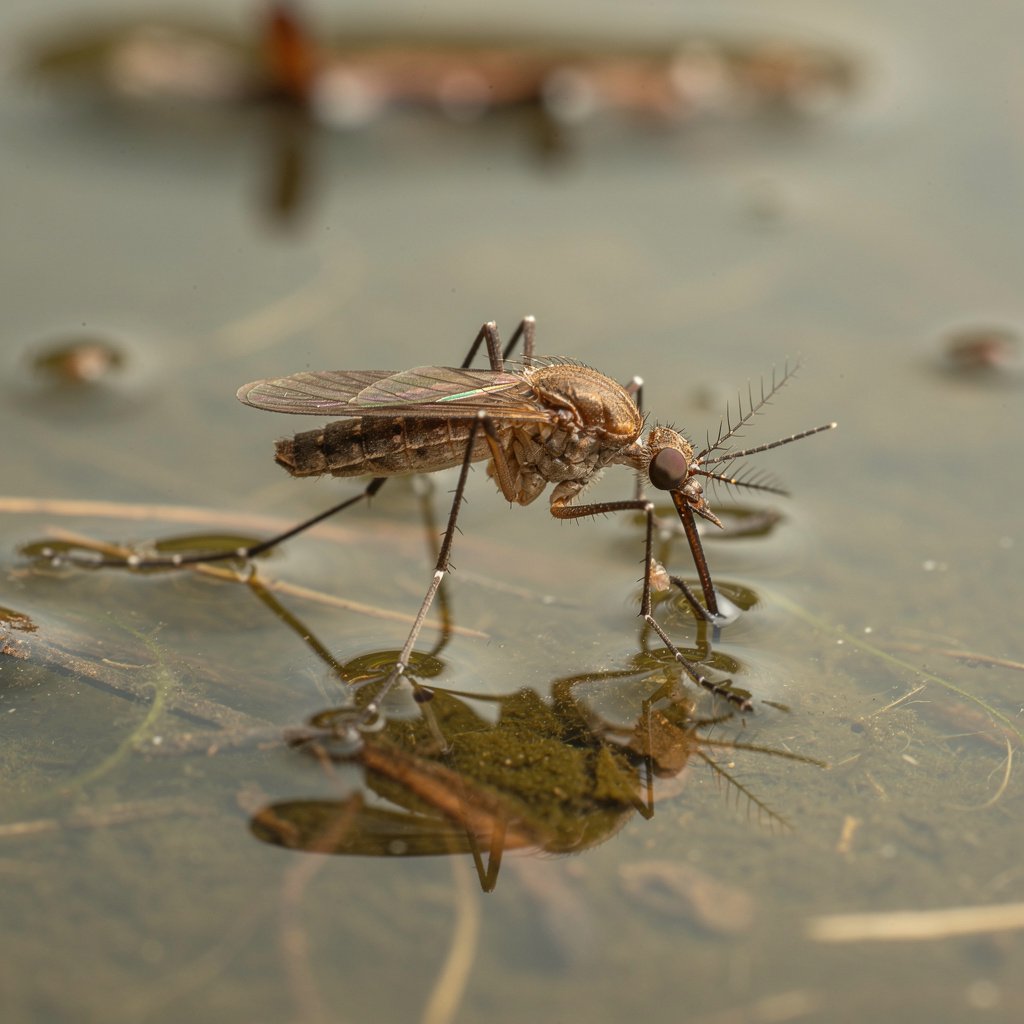
Culex quinquefasciatus
Common house mosquito
Identification
What Is the Culex Mosquito?
Culex mosquitoes are a genus of mosquitoes that includes several species found throughout Malaysia. The most common species is Culex quinquefasciatus (formerly Culex fatigans), also known as the southern house mosquito.
These mosquitoes are brown or greyish-brown in colour with no distinctive markings. They are medium-sized (4–10mm) and have a characteristic resting posture — body parallel to the surface with wings folded flat. This contrasts with Aedes mosquitoes, which rest with their bodies at an angle.
Culex mosquitoes are opportunistic feeders that primarily bite at night. They have a flight range of 1–3 kilometres, significantly farther than Aedes mosquitoes, allowing them to travel between breeding sites and human settlements.
compare_arrows Culex vs Aedes Mosquito
Culex Mosquito
- • Brown/grey, no markings
- • Night biter
- • Breeds in polluted water
- • Parallel resting posture
- • Long flight range (1–3km)
Aedes Mosquito
- • Dark with white markings
- • Day biter
- • Breeds in clean water
- • Angled resting posture
- • Short flight range (50–100m)
info Quick Facts
- Scientific name
- Culex quinquefasciatus
- Family
- Culicidae
- Size
- 4–10 mm
- Colour
- Brown or greyish-brown
- Flight range
- 1–3 kilometres
- Feeding time
- Night (dusk to dawn)
- Diseases transmitted
- Filariasis, JE virus
info Lymphatic Filariasis in Malaysia
Also known as elephantiasis, this neglected tropical disease is transmitted by Culex mosquitoes in Malaysia. While mass drug administration has reduced prevalence, transmission continues in some areas.
- • Causes severe swelling of limbs and genitals
- • Can lead to permanent disability
- • Mosquito control is key to elimination
Health Risks
Diseases Transmitted by Culex Mosquitoes
Culex mosquitoes are vectors for several important diseases affecting Malaysian communities.
Lymphatic Filariasis
Caused by parasitic worms (Brugia malayi and Wuchereria bancrofti) transmitted through Culex bites. The parasites damage the lymphatic system, causing:
- circle Severe swelling of limbs (elephantiasis)
- circle Genital swelling and damage
- circle Recurrent fevers and infections
- circle Permanent disability and social stigma
Endemic in parts of Malaysia
Japanese Encephalitis
A viral brain infection transmitted by Culex mosquitoes that breed in rice paddies and pig farms. While rare in urban areas, it occurs in agricultural regions of Malaysia. Symptoms include:
- circle High fever and headache
- circle Neck stiffness and confusion
- circle Seizures and paralysis
- circle Can be fatal or cause permanent brain damage
Vaccine available for high-risk groups
Protection is Prevention
Unlike dengue which has no vaccine, lymphatic filariasis can be prevented through annual mass drug administration in endemic areas. However, mosquito control remains essential to break transmission cycles and prevent new infections.
Breeding
Culex Breeding Sites
Culex mosquitoes prefer polluted, stagnant water with organic matter — different from the clean water preferred by Aedes mosquitoes.
Clogged Drains
Blocked drains with stagnant water and organic debris are ideal breeding sites. Keep drains clear and flowing.
Septic Tanks
Poorly sealed or overflowing septic tanks provide nutrient-rich breeding environments. Ensure proper maintenance.
Rice Paddies
Flooded rice fields support large Culex populations. Agricultural areas often have high mosquito densities.
Ditches & Swamps
Stagnant water in ditches, marshes, and poorly maintained ponds with organic matter.
Rubbish Deposits
Accumulations of organic waste that trap water. Proper waste management reduces breeding sites.
Untreated Pools
Abandoned or poorly maintained swimming pools with algae and organic matter.
Construction Sites
Puddles with muddy water and organic debris. Excavations and equipment can hold water.
Compost Heaps
Wet compost and organic matter that retains moisture provides breeding habitat.
DIY Limitations
Why DIY Culex Control Is Challenging
Culex mosquitoes' long flight range and preference for polluted breeding sites make them particularly difficult to control through individual efforts alone.
Long Flight Range
Culex can fly 1–3 kilometres. Mosquitoes breeding in distant drains, rice paddies, or swamps easily reach residential areas.
Community-Wide Breeding
Breeding sites are often communal — drains, septic systems, agricultural areas. Individual property treatment is insufficient.
Polluted Water Access
Many breeding sites are in drains, sewers, or contaminated water that homeowners cannot safely access or treat.
Night Activity
Since they bite while people sleep, repellents and barriers are less effective than with day-biting mosquitoes.
check_circle Professional Advantages
- done Community-wide assessment of breeding sites
- done Treatment of drains and large water bodies
- done ULV cold fogging for large-area adult control
- done Larviciding of identified breeding sources
- done Coordination with local authorities for drain maintenance
- done Regular monitoring and maintenance programs
Smart Pest Control
How We Control Culex Mosquitoes
Our approach combines source reduction, larviciding, and adult control for effective Culex management.
Site Assessment
We identify breeding sites within a 1–3km radius, including drains, stagnant water bodies, and potential sources that may be outside the immediate property.
Source Treatment
We apply larvicides to breeding sites and conduct ULV fogging for adult mosquitoes. Drain treatments and water management recommendations are provided.
Monitoring & Maintenance
Regular follow-up treatments, monitoring of breeding sites, and coordination with local authorities for infrastructure improvements when needed.
Treatment Methods We Use
ULV Cold Fogging
Ultra-low volume fogging creates a fine mist that penetrates vegetation and outdoor areas to kill adult Culex mosquitoes over large areas.
Larviciding
Biological or chemical treatments applied to drains, stagnant water, and breeding sites prevent larvae from developing into adults.
Residual Treatment
Long-lasting insecticide applied to vegetation and resting sites provides ongoing protection against mosquitoes that land on treated surfaces.
FAQ
Frequently Asked Questions
How can I identify a Culex mosquito? expand_more
Do Culex mosquitoes spread disease? expand_more
Where do Culex mosquitoes breed? expand_more
Why do Culex mosquitoes bite at night? expand_more
How do I protect against Culex mosquitoes? expand_more
Troubled by Night-Biting Mosquitoes?
Culex mosquitoes require comprehensive control that addresses their breeding sites and adult populations. Our professional mosquito control services provide effective protection for your home and community.