Aedes Mosquito in Malaysia — The Dengue Threat
The Aedes mosquito is Malaysia's most dangerous pest, responsible for transmitting dengue fever — a disease that affects tens of thousands of Malaysians annually. Two species, Aedes aegypti and Aedes albopictus, are the primary vectors in our country.
Unlike night-biting mosquitoes, Aedes are daytime biters that breed in clean stagnant water around homes and businesses. Control requires eliminating breeding sites and targeted professional treatments.
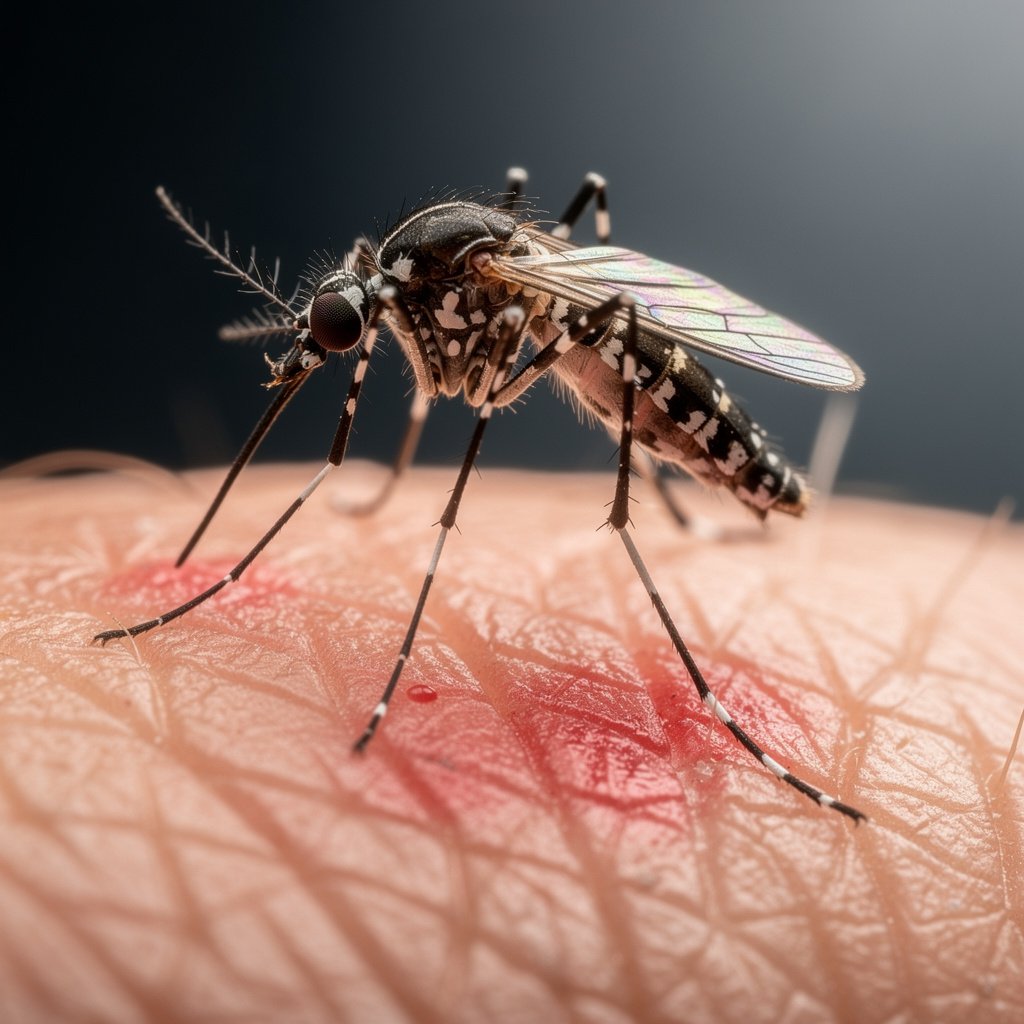
Aedes aegypti
Primary dengue vector
Dengue is endemic in Malaysia with year-round transmission. Professional mosquito control is essential for protection.
Identification
What Is the Aedes Mosquito?
Aedes mosquitoes are small, dark-coloured mosquitoes with distinctive white markings. The two species responsible for disease transmission in Malaysia are Aedes aegypti (the primary dengue vector) and Aedes albopictus (the Asian tiger mosquito, a secondary vector).
Aedes aegypti is highly adapted to urban environments and prefers to feed on humans. It has a close association with human habitation and readily breeds in artificial containers around homes. Aedes albopictus is more adaptable to rural and suburban environments and can breed in both artificial and natural containers.
These mosquitoes are known as "container breeders" because they lay eggs in any water-holding container, from bottle caps to large water storage tanks. Their eggs can survive dry conditions for months, hatching when water becomes available.
Size
Small, 4–7mm in length. Smaller than many people expect.
Colour
Dark body with distinctive white markings on legs and thorax.
Key Markings
White bands on legs, lyre-shaped pattern on thorax.
Behaviour
Daytime biter, low-flying, prefers humans.
info Quick Facts
- Scientific names
- A. aegypti & A. albopictus
- Common name
- Tiger mosquito (A. albopictus)
- Size
- 4–7 mm
- Flight range
- 50–100 metres
- Lifespan
- 2–4 weeks (adult)
- Feeding time
- Daytime (dawn & dusk peak)
- Diseases transmitted
- Dengue, Zika, Chikungunya
emergency Dengue in Malaysia
Dengue fever is endemic throughout Malaysia with year-round transmission, peaking during and after the monsoon season.
- • Tens of thousands of cases reported annually
- • Can be fatal without prompt medical treatment
- • No specific antiviral treatment available
- • Prevention through mosquito control is critical
Health Risks
Diseases Transmitted by Aedes Mosquitoes
Aedes mosquitoes are vectors for several serious diseases that pose significant public health risks in Malaysia.
Dengue Fever
The most significant mosquito-borne disease in Malaysia. Symptoms include high fever, severe headache, pain behind the eyes, joint and muscle pain, and rash. Can progress to severe dengue (dengue haemorrhagic fever) which can be fatal.
Most common in Malaysia
Zika Virus
Can cause mild fever, rash, and joint pain. The major concern is for pregnant women, as Zika infection during pregnancy can cause serious birth defects including microcephaly. Present in Southeast Asia including Malaysia.
Risk to pregnant women
Chikungunya
Causes fever and severe joint pain that can persist for months. While rarely fatal, the joint pain can be debilitating and long-lasting. Outbreaks have occurred in Malaysia, transmitted by both Aedes species.
Causes severe joint pain
If You Suspect Dengue
If you or a family member develop fever with severe headache, pain behind the eyes, or rash, seek medical attention immediately. Early diagnosis and supportive care are crucial. Do not self-medicate with aspirin or NSAIDs as they can increase bleeding risk.
Breeding
Common Aedes Breeding Sites
Aedes mosquitoes are container breeders — they lay eggs in any object that can hold water. Eliminating these sites is the most effective control measure.
Flower Pot Saucers
Water that collects under potted plants is a prime breeding site. Empty and scrub saucers weekly.
Clogged Gutters
Blocked roof gutters hold stagnant water. Clean gutters regularly to prevent accumulation.
Discarded Items
Tyres, bottles, cans, and food containers can hold rainwater. Remove or properly dispose of these items.
Water Storage
Untreated water tanks, buckets, and containers. Cover tightly or treat with larvicide.
Bamboo Stumps
Cut bamboo collects water in its joints. Fill stumps with sand or treat with larvicide.
Aircon Condensation
Water from air conditioning units. Ensure drainage pipes are clear and not pooling water.
Tarps & Covers
Canvas covers for vehicles or equipment can collect rainwater. Ensure they are taut or drained.
Natural Containers
Tree holes, leaf axils, and rock pools. Check and treat these areas in gardens.
The 5-Minute Weekly Check
Spend just 5 minutes each week checking your property for standing water. This simple habit can eliminate most Aedes breeding sites and dramatically reduce mosquito populations around your home.
DIY Limitations
Why DIY Mosquito Control Is Insufficient
While eliminating standing water is essential, DIY approaches alone cannot fully protect against Aedes mosquitoes. These mosquitoes can breed in tiny amounts of water and may fly in from neighbouring properties.
Hidden Breeding Sites
Aedes can breed in water volumes as small as a bottle cap. Hidden sites in roof gutters, drains, and neighbours' properties continue producing mosquitoes.
Neighbouring Sources
Mosquitoes can fly 50–100 metres. Even perfect sanitation on your property won't prevent mosquitoes from neighbouring areas.
Eggs Survive Drying
Aedes eggs can survive dry conditions for months. Simply removing water doesn't kill eggs — they'll hatch when water returns.
Ineffective Sprays
Consumer mosquito sprays have limited reach and duration. They don't address larvae or provide lasting adult control.
check_circle Professional Advantages
- done Thorough property inspection to identify all breeding sites
- done Larviciding treatments for water bodies that cannot be eliminated
- done Thermal fogging for rapid adult mosquito population reduction
- done Residual barrier treatments for long-term protection
- done Community-wide treatment programs for maximum effectiveness
- done Regular monitoring and maintenance programs
Smart Pest Control
How We Control Aedes Mosquitoes
Our integrated mosquito management targets all life stages — from larvae to adults — for comprehensive protection.
Inspection & Source Reduction
We conduct thorough property inspections to identify all breeding sites and recommend source reduction measures — eliminating standing water where possible.
Larviciding & Adult Control
We treat water bodies that cannot be eliminated with larvicides that kill larvae before they become adults. Thermal fogging targets adult mosquitoes for rapid reduction.
Monitoring & Prevention
We provide ongoing monitoring, maintenance treatments, and community education to ensure long-term mosquito control and dengue prevention.
Treatment Methods We Use
Larviciding
Biological or chemical treatments applied to water bodies kill mosquito larvae before they can develop into biting adults.
Thermal Fogging
Ultra-fine insecticide mist penetrates vegetation and outdoor areas to kill adult mosquitoes. Ideal for rapid population reduction.
Residual Barrier
Long-lasting insecticide applied to vegetation and building exteriors kills mosquitoes that land on treated surfaces.
FAQ
Frequently Asked Questions
How can I identify an Aedes mosquito? expand_more
What diseases do Aedes mosquitoes transmit? expand_more
Where do Aedes mosquitoes breed? expand_more
When are Aedes mosquitoes most active? expand_more
How can I protect my family from Aedes mosquitoes? expand_more
Protect Your Family from Dengue
Don't take chances with dengue. Our professional mosquito control services target Aedes mosquitoes at all life stages, providing comprehensive protection for your property and community.